
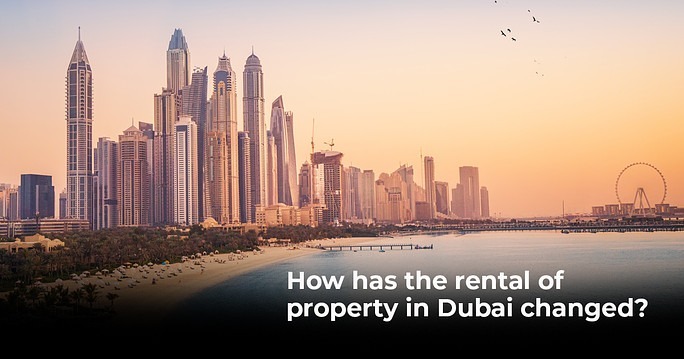
Dubai’s real estate market is one of the fastest-growing markets in the world. The rental sector is integral to Dubai’s property market and has undergone significant changes over the years. In this blog, we will explore how the rental of property in Dubai has changed and the reasons behind these changes.
Current Rental Market in Dubai:
Dubai’s rental market has declined in the last few years due to the oversupply of properties. The rental prices in Dubai have reduced significantly, and tenants can now enjoy more affordable rents. According to a report by Property Finder, the average rental prices in Dubai decreased by 16.6% in 2020, which is expected to continue in 2021.
Reasons for Change:
One of the main reasons for the decline in rental prices is the oversupply of properties. Dubai’s property market has been experiencing a construction boom for the last decade, which has led to an oversupply of properties. This oversupply has created a more competitive market, lowering rental prices.
Another reason is the impact of COVID-19 on the economy. The pandemic has caused a slowdown in the economy, leading to decreased demand for rental properties. Many people have lost their jobs, reducing the number of people looking for rental properties.
New Rental Laws:
The Dubai government has introduced several new rental laws to protect tenants and landlords’ rights. One of these laws is the Rental Disputes Center, which provides a platform for tenants and landlords to resolve their disputes. The center aims to protect both parties’ rights and ensure that Dubai’s rental market is fair and transparent.
Supply and Demand:
According to data from Property Finder, there was a 2% decrease in the number of rental transactions in Dubai in 2020 compared to the previous year. This can be attributed to an oversupply of properties and a decrease in demand due to the COVID-19 pandemic.
Rental Rates:
The average rental rates in Dubai have also been decreasing in recent years. According to Bayut, the average rental rates for apartments decreased by 6.8% in 2020 compared to the previous year, while the average rental rates for villas decreased by 7.3%. This trend is expected to continue into 2021.
Affordable Housing:
In an effort to address the oversupply issue and make housing more affordable, Dubai has launched several initiatives in recent years. These include the Mohammed bin Rashid Housing Establishment, which provides affordable housing to low-income families, and the Dubai Land Department’s Rent-to-Own scheme, allowing tenants to own the property they rent gradually.
Investor Outlook:
Despite the challenges facing the rental property market, many investors remain optimistic about the long-term prospects of the Dubai real estate market. In a survey conducted by Bayut, 59% of investors said they planned to invest in Dubai property in 2021.
Technology Adoption:
Technology is playing an increasingly important role in the rental property market in Dubai. Many landlords and property management companies are adopting digital platforms to manage their properties and provide virtual tours to potential tenants. This has become particularly important during the COVID-19 pandemic, as many people cannot visit properties in person.
Conclusion:
The rental market in Dubai has undergone significant changes over the years, with oversupply and COVID-19 being the primary reasons for the decline in rental prices. However, with new rental laws, the market is becoming more transparent and fair for tenants and landlords. As the economy recovers, it is expected that the rental market in Dubai will stabilize, making it an attractive option for renters and investors alike.